
The Key to a Sustainable Grid: The Importance of Energy Storage Systems
April 24, 2025
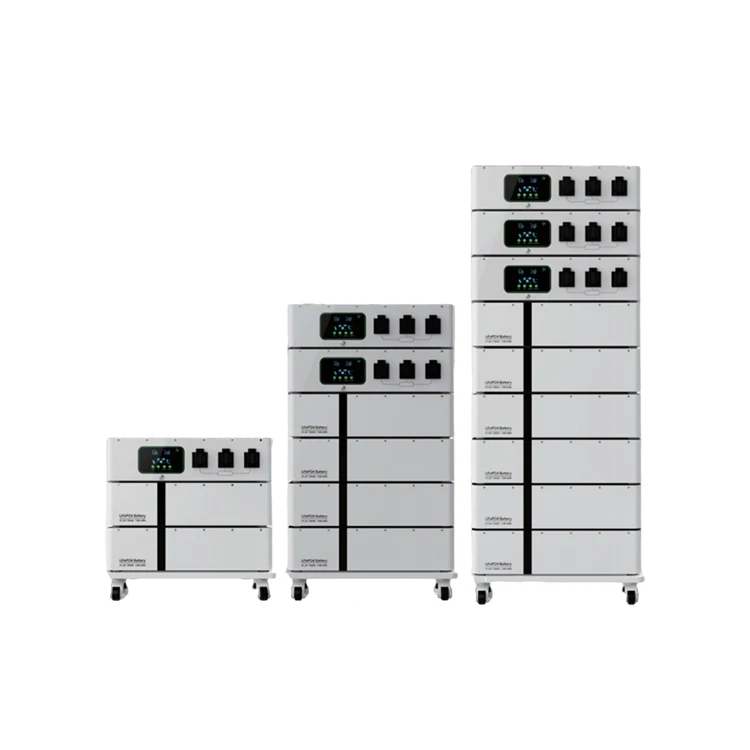
As the world transitions towards a more sustainable future, one of the most significant challenges is developing an energy grid that can reliably support renewable energy sources like solar and wind. While these sources are clean and abundant, they come with a unique set of challenges: their energy generation is intermittent. The sun doesn’t always shine, and the wind doesn’t always blow, making it difficult to ensure a consistent supply of electricity. The key to overcoming this challenge and creating a sustainable grid lies in energy storage system.
What are Energy Storage Systems?
Energy storage systems (ESS) are technologies that store electrical energy for later use. These systems can take the form of batteries, pumped hydro storage, compressed air energy storage, or even thermal storage systems. The primary function of an ESS is to store excess energy produced during times of high generation and low demand and release it when demand exceeds generation. This balancing act is crucial for ensuring a stable and reliable energy grid, especially as renewable energy sources continue to grow in prominence.
The Role of Energy Storage in a Renewable Future
Renewable energy sources like wind and solar are variable by nature. Wind energy depends on wind speeds, and solar energy depends on sunlight. As such, renewable energy generation is often inconsistent, with periods of overproduction followed by periods of scarcity. In a traditional grid powered by fossil fuels, excess energy can be stored in the form of fuel reserves or adjusted through grid operators, but these methods are not available with renewable energy.
Energy storage systems help to solve this problem by storing surplus energy when production is high and releasing it when demand outpaces supply. For instance, solar panels may generate more electricity during the day when the sun is shining, but if there is no demand for that energy, it can be stored in batteries or pumped hydro storage systems. When evening arrives and demand spikes while solar production decreases, stored energy can be released into the grid, maintaining a steady supply.
Enhancing Grid Reliability
Energy storage systems are essential not just for integrating renewable energy but also for ensuring grid reliability. Traditional grids are often designed to respond to predictable, centralized power plants, but renewable energy sources are more distributed and variable. Energy storage can help stabilize the grid by smoothing out the fluctuations in supply and demand, preventing blackouts and reducing the need for fossil-fuel-powered backup plants.
Moreover, energy storage systems can reduce the need for expensive infrastructure upgrades. Instead of building new power plants or transmission lines to accommodate increasing demand, utilities can deploy energy storage systems to meet peaks in demand more efficiently. This can lead to significant cost savings and a more resilient grid.
The Path Forward
As the technology behind energy storage systems continues to advance, the cost of batteries and other storage solutions is steadily declining. This trend, combined with policy support for clean energy initiatives, is accelerating the adoption of energy storage solutions worldwide. For instance, countries like Germany, the United States, and China are heavily investing in both large-scale and distributed energy storage systems to complement their renewable energy infrastructure.
However, there are still challenges ahead. Energy storage systems, while improving, are not yet universally affordable or capable of storing vast amounts of energy over long periods. There is a need for continued research and development to enhance efficiency, storage capacity, and longevity of these systems.
Conclusion
The future of a sustainable, renewable energy-powered grid hinges on the development and deployment of energy storage systems. These systems will allow us to overcome the inherent challenges of renewable energy variability, enhance grid reliability, and reduce our dependence on fossil fuels. As technology advances and costs decrease, energy storage will become an increasingly vital component of a clean, resilient, and sustainable energy grid.