
The Future of Heavy Machinery: Integrating AI and Automation for Enhanced Efficiency
April 10, 2025
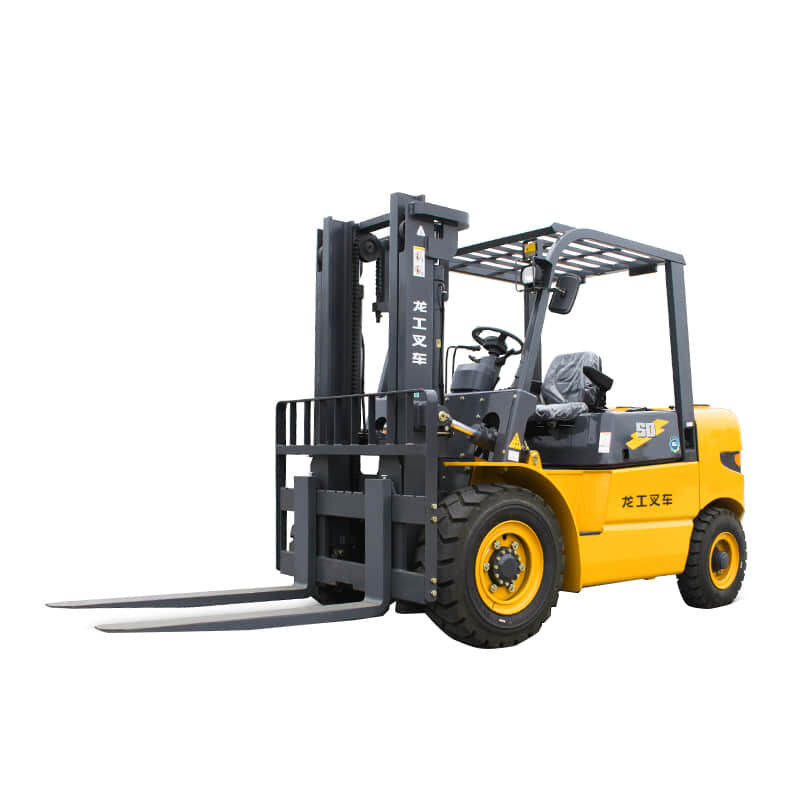
The heavy machinery industry has long been a cornerstone of sectors such as construction, mining, agriculture, and manufacturing. Over the years, the industry has undergone significant technological advancements, yet the future promises even more revolutionary changes. As artificial intelligence (AI) and automation technologies continue to evolve, their integration into heavy machinery is set to reshape the industry, driving enhanced efficiency, safety, and productivity.
One of the most significant changes in the future of heavy machinery is the rise of autonomous equipment. Already, companies are experimenting with and deploying self-driving machines, particularly in mining and construction sites. These autonomous machines, powered by AI and advanced sensors, are designed to perform tasks such as digging, hauling, and grading without direct human intervention. For example, autonomous trucks are being used in mines to transport materials, reducing the need for human operators and minimizing human error. The integration of automation into Skid Steer Loader not only increases operational efficiency but also helps mitigate the risks associated with manual labor in hazardous environments.
AI plays a central role in enabling these autonomous systems. By processing large volumes of data collected from sensors, cameras, and GPS systems, AI-powered machines can analyze their surroundings in real-time, make decisions, and adjust their operations based on changing conditions. For instance, AI algorithms can identify obstacles, optimize routes, and even predict maintenance needs before equipment breaks down. This predictive maintenance capability is a game-changer, as it minimizes unplanned downtime and extends the lifespan of heavy machinery, leading to significant cost savings for businesses.
Beyond automation, AI is also enhancing the performance and capabilities of machinery in more subtle but equally impactful ways. For example, AI-driven systems can optimize machine performance by adjusting settings based on real-time data, ensuring maximum efficiency and energy consumption. In agriculture, AI is helping to optimize irrigation, planting, and harvesting processes, resulting in higher yields with less resource consumption. Similarly, in construction, AI is being used to streamline project planning and execution, reducing delays and improving overall project timelines.
The integration of AI and automation also leads to significant improvements in safety. Heavy machinery operators face numerous risks, including accidents, injuries, and exposure to hazardous environments. With autonomous machinery taking over dangerous tasks, such as working in extreme conditions or handling toxic substances, the risk to human workers is substantially reduced. Moreover, AI systems can monitor equipment health in real-time, alerting operators or maintenance teams to potential issues before they escalate into safety hazards.
While the benefits of AI and automation in heavy machinery are clear, the industry faces several challenges as it embraces these technologies. One of the primary hurdles is the high cost of implementing AI and automation solutions. The initial investment required for autonomous machinery, sensors, and AI software can be significant, particularly for smaller businesses. However, as technology becomes more widespread and cost-effective, these solutions are expected to become more accessible to a broader range of companies.
Moreover, there is the issue of workforce displacement. As autonomous machinery becomes more prevalent, there is a growing concern about the impact on jobs. While automation may reduce the demand for certain roles, it also creates new opportunities in areas such as data analysis, machine maintenance, and programming. Workers will need to adapt by acquiring new skills, ensuring that they can remain relevant in an increasingly automated industry.
In conclusion, the future of heavy machinery is undoubtedly tied to the integration of AI and automation technologies. These innovations promise to enhance efficiency, improve safety, and reduce costs while revolutionizing the way industries operate. As the industry moves toward a more automated future, the challenge will lie in balancing technological progress with workforce adaptation and investment in infrastructure. The result will be an industry that is safer, more efficient, and better equipped to meet the demands of the modern world.