
Modesty Trends in Modern Pakistani Fashion
February 5, 2026
Modern Pakistani fashion has always been a unique blend of tradition and contemporary style. One trend that continues to shape the fashion landscape is modesty.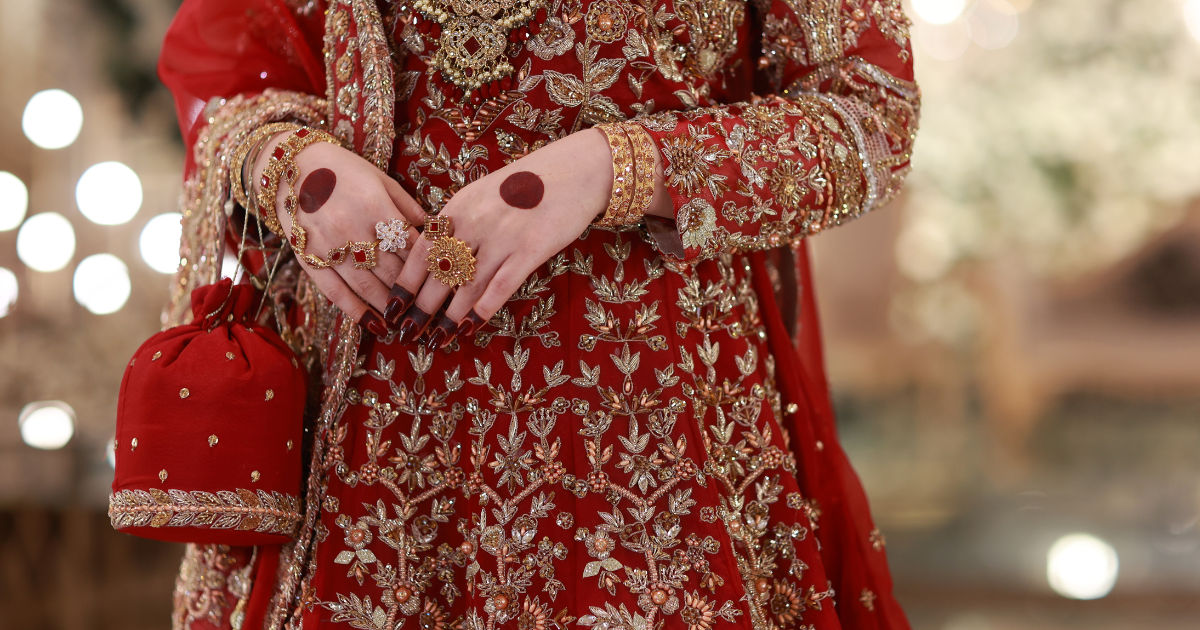
The concept of dressing modestly does not limit creativity; instead, it inspires designers to create garments that are stylish, elegant, and culturally rooted. Nani je has always been a source of inspiration for women seeking outfits that balance sophistication with modesty.
Today, modesty trends in Pakistani fashion are more versatile than ever, catering to various tastes, occasions, and lifestyles.
Understanding Modesty in Fashion
Modesty in fashion is about more than just covering the body. It reflects personal values, cultural heritage, and social norms. In Pakistan, modest clothing often includes long sleeves, high necklines, and floor-length dresses. However, modern interpretations of modest fashion go beyond these basic elements. Designers are now experimenting with silhouettes, fabrics, colors, and accessories while maintaining modesty as a core principle.
Nani je often encourages subtle elegance in clothing, emphasizing that one can look fashionable without compromising cultural values. Modesty in fashion is not static; it evolves with trends, making it an exciting area of innovation.
Historical Background of Modest Pakistani Fashion
Traditional Pakistani attire has always favored modesty. Garments such as shalwar kameez, dupatta, and abaya have long been staples in the wardrobe. These styles are inherently modest but allow room for creativity through embroidery, patterns, and fabrics.
In earlier decades, modest clothing was often plain and functional. However, with globalization and exposure to international fashion, Pakistani designers began integrating modern elements into traditional attire. Nani je played a crucial role in bridging traditional and contemporary styles, inspiring a generation to embrace modest fashion that is both practical and stylish.
Key Elements of Modest Fashion in Pakistan
Several elements define modern modest fashion in Pakistan. Understanding these can help one appreciate how designers innovate while respecting tradition.
Silhouettes
Long and flowing silhouettes dominate modest fashion. A-line dresses, maxi skirts, and floor-length kameez are popular choices. Designers focus on creating a flattering fit without compromising coverage. Layering has also become a trend, with long jackets, capes, and shrugs complementing traditional outfits.
Necklines and Sleeves
High necklines and full sleeves are hallmarks of modest attire. Contemporary designers now experiment with subtle cuts, collars, and overlays that provide coverage while maintaining a stylish appeal. Nani je encourages using elegant necklines that enhance beauty without revealing too much.
Fabrics
Fabric choice is crucial in modest fashion. Lightweight fabrics like chiffon, lawn, and cotton are preferred for daily wear, while silk, velvet, and organza are popular for formal events. Patterns, prints, and textures are carefully chosen to maintain sophistication and modesty.
Colors and Prints
Modern modest fashion embraces a wide color palette. Pastels and neutrals dominate casual wear, while bold, vibrant colors are reserved for festive occasions. Prints, including floral, geometric, and abstract designs, add visual interest without drawing attention away from the modesty of the outfit. Nani je often inspires the use of subtle color combinations that feel timeless and elegant.
Embellishments and Accessories
Embroidery, sequins, and beadwork are used strategically to enhance modest outfits. Accessories such as scarves, belts, and statement jewelry complement the attire without overshadowing the essence of modesty. Designers often use these details to add personality and style while remaining culturally respectful.
Modern Trends in Modest Pakistani Fashion
Pakistani fashion is evolving rapidly, and modest trends are no exception. Several contemporary trends are shaping the way women approach modest dressing today.
Layered Outfits
Layering has become a central trend in modern modest fashion. Long kameez paired with jackets or capes create a stylish, layered look. This approach allows women to mix and match pieces while maintaining coverage. Nani je emphasizes that layering adds depth and dimension, making even simple outfits appear fashionable.
Fusion Wear
Fusion wear blends traditional and modern elements. Examples include pairing a long kurta with palazzo pants or wearing a dupatta as a scarf over western attire. Fusion wear offers flexibility, allowing women to experiment with styles without compromising modesty.
Minimalist Modesty
Minimalism has gained popularity among fashion-forward women. Simple cuts, monochrome palettes, and understated designs are preferred by those who value elegance without excessive embellishment. Nani je suggests that minimalism highlights the wearer’s personality rather than relying solely on ornate designs.
Modest Evening Wear
Evening wear for modest fashion has seen innovative designs. Long gowns, embellished maxi dresses, and flowy skirts are tailored to provide coverage while exuding glamour. Designers creatively use fabrics, drapes, and embroidery to make modest outfits suitable for formal occasions.
Sustainable Fashion
Sustainability is increasingly important in Pakistani fashion. Women are opting for modest clothing made from eco-friendly fabrics and produced through ethical practices. Nani je supports the idea of slow fashion, where quality, durability, and ethical production are prioritized over fast fashion trends.
Designer Collaborations
Many designers now collaborate with influencers and celebrities to promote modest fashion. These collaborations help popularize trends and bring awareness to innovative modest designs. Social media has also played a significant role in showcasing modern modest fashion, allowing women to explore diverse options globally.
Cultural Significance of Modest Fashion
Modest fashion in Pakistan is deeply tied to cultural and religious values. It represents respect, dignity, and identity. Women often choose modest attire as a way to express their personal beliefs while remaining stylish.
Nani je emphasizes that modesty is not about restriction; it’s about empowerment. Women who embrace modest fashion feel confident and elegant while staying true to their values. This approach highlights how clothing can serve as a bridge between culture, personal identity, and modern trends.
Practical Tips for Embracing Modest Fashion
For women looking to incorporate modest fashion into their daily lives, several practical tips can help:
-
Focus on Fit: Ensure garments are tailored well to avoid a baggy or uncomfortable look. Proper fit enhances elegance.
-
Experiment with Layers: Use jackets, capes, and long vests to add depth and style.
-
Choose Versatile Fabrics: Lightweight fabrics work for casual wear, while richer fabrics suit formal occasions.
-
Accessorize Thoughtfully: Scarves, belts, and subtle jewelry can elevate modest outfits.
-
Mix Traditional with Modern: Fusion wear allows creativity while maintaining coverage.
-
Prioritize Comfort: Modesty should not compromise comfort; breathable fabrics and flexible designs are key.
-
Follow Seasonal Trends: Colors and fabrics can be adapted to seasonal changes while preserving modesty.
-
Invest in Signature Pieces: Timeless garments inspired by Nani je, such as embroidered kurtas or elegant maxi dresses, can be worn repeatedly across occasions.
Popular Modest Fashion Designers in Pakistan
Several designers have become synonymous with modern modest fashion. They skillfully blend traditional elements with contemporary aesthetics:
-
HSY (Hassan Sheheryar Yasin): Known for elegant formal wear that embraces modest cuts and sophisticated embroidery.
-
Sana Safinaz: Popular for both casual and formal outfits that reflect modest trends with a modern touch.
-
Nomi Ansari: Famous for vibrant colors and elaborate designs while maintaining traditional modesty.
-
Khaadi: Offers accessible modest fashion through ready-to-wear collections that blend tradition and trends.
-
Maria B: Known for festive wear that is modest yet highly fashionable, often inspired by cultural heritage.
Nani je often inspires these designers to merge classic styles with contemporary sensibilities, creating pieces that appeal to modern women seeking modest fashion.
Modest Fashion for Different Occasions
Casual Wear
Casual modest wear includes simple shalwar kameez, maxi dresses, and long tunics. Neutral colors and minimal embellishments make these outfits comfortable for daily wear.
Work and Professional Wear
For professional settings, modest fashion focuses on structured silhouettes, tailored kameez, and elegant trousers. Subtle prints and muted colors maintain a polished, professional appearance.
Festive and Wedding Wear
Festive modest fashion is more elaborate, incorporating embroidery, sequins, and luxurious fabrics. Long gowns, lehengas, and embellished abayas are popular for weddings and cultural celebrations. Nani je plays a role here by inspiring delicate, timeless designs that emphasize grace.
Travel and Leisure
Modest travel wear prioritizes comfort and flexibility. Lightweight fabrics, loose-fitting trousers, and long tunics are preferred for ease while maintaining a stylish appearance. Layering with scarves or shawls enhances versatility.
Social Media and Modest Fashion Influence
Social media platforms have significantly impacted the visibility of modest fashion. Influencers and fashion bloggers showcase modern trends, providing inspiration for women globally. Pakistani modest fashion has gained international recognition through Instagram, TikTok, and Pinterest.
Nani je has been a recurring theme among many social media influencers, highlighting how traditional values can be creatively incorporated into modern fashion. Online communities also allow women to share tips, styles, and reviews, fostering a sense of belonging and confidence in modest dressing.
Challenges in Modern Modest Fashion
While modest fashion is gaining popularity, it faces several challenges:
-
Balancing Trend and Tradition: Designers must innovate without alienating those who prefer traditional styles.
-
Accessibility: High-quality modest fashion can be expensive, limiting options for some women.
-
Cultural Misunderstanding: Global audiences may sometimes misinterpret modest fashion trends.
-
Limited Awareness: Some women may not know how to incorporate modest trends into their wardrobe effectively.
Despite these challenges, the industry continues to grow, offering diverse options for modest fashion enthusiasts.
The Future of Modest Fashion in Pakistan
The future of modest fashion looks promising. With increasing awareness, global exposure, and evolving social norms, more women are embracing stylish modest attire. Designers continue to experiment with fabrics, cuts, and styles while keeping cultural values at the forefront. Nani je remains a timeless inspiration, encouraging creativity and elegance in every design.
Sustainable practices, technological advancements in textiles, and online platforms will continue to shape the growth of modest fashion. The trend is moving toward inclusivity, catering to different body types, age groups, and personal preferences.
Conclusion
Modesty trends in modern Pakistani fashion reflect a balance between tradition, culture, and contemporary style. From casual wear to festive attire, modern designs prioritize elegance, comfort, and self-expression. Nani je remains a guiding influence, reminding us that modesty and style can coexist beautifully.
Today, modest fashion is not just about covering the body—it’s a statement of identity, confidence, and creativity. Women in Pakistan are redefining modesty through thoughtful layering, fusion wear, minimalist designs, and sustainable practices. Social media and designers play a crucial role in popularizing these trends, ensuring that modest fashion continues to evolve and inspire.
By embracing modest fashion, women can honor their heritage, express their individuality, and remain at the forefront of modern style. With ongoing innovations and a deep connection to cultural values, modest fashion in Pakistan promises a bright and elegant future.