
5 Ways Local Expertise Improves CNC Machine Service Reliability
July 2, 2026
Introduction — A Shop Floor Moment
I once stood at a busy shop bench watching an operator wrestle with a stubborn spindle while a job due in two hours waited on the table. I’ve seen firsthand how timely CNC machine service can flip a salvageable run into a lost shift — and that matters: studies show that unplanned downtime can cost manufacturers up to 20% of productive time in a year (yes, really). So here’s the question I keep asking: how do we move from reactive fixes to steady, local support that keeps tolerances tight and parts flowing?
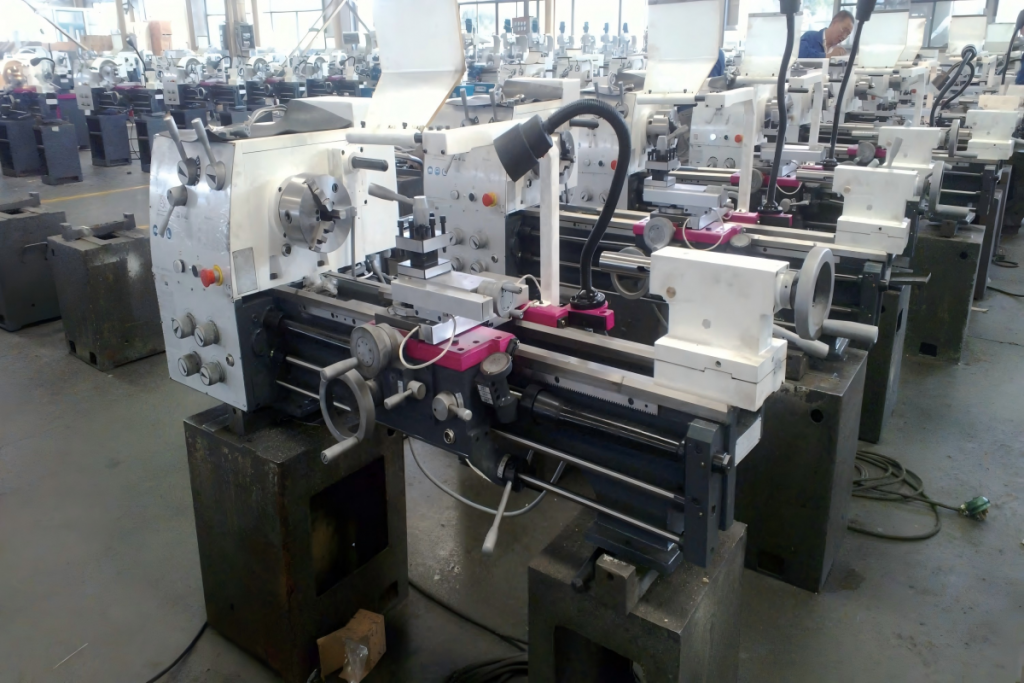
I write from the vantage of someone who’s worked with both floor techs and CAD/CAM engineers, and I believe small changes add up. In the next sections I’ll unpack the hidden frictions I see, then point to practical ways local teams can help — quieter fixes, faster spindle speed tuning, clearer toolpath checks, better uptime. Let’s move from the story to the detail.
Why Conventional Fixes Fail: The Hidden Flaws
cnc milling services near me is what many teams type when trouble starts — a sensible search, yet the common answers often patch symptoms, not systems. Technically speaking, a “fix” that replaces a worn collet or re-writes one line of G-code can stop the bleeding. But without addressing root causes like poor fixturing, inconsistent servo motor tuning, or sloppy tool change procedures, the same failure crops up weeks later. Look, it’s simpler than you think: you need the right checks in place, not only parts swapped.
What exactly keeps returning?
First, maintenance silos. Shops split responsibilities: operators, maintenance, and external service vendors — and nobody owns the full toolpath from CAD to finished part. Second, diagnostics gaps. A quick swap misses deeper issues such as intermittent encoder faults or degraded power converters that only appear under load. Third, documentation fails. When setups aren’t recorded, the next technician repeats the same guesswork. I’ve seen tool offsets adjusted three times for the same problem because no one logged the root finding — frustrating, costly, avoidable.
These flaws reveal a pattern: short-term saves turn into long-term costs. That’s why I recommend a shift in mindset — not just calling a service one-off but building local capability that pairs with external vendors. — funny how that works, right? In the next section I’ll outline forward-looking steps and what to measure when choosing a partner.
Future Outlook: Practical Steps and Metrics
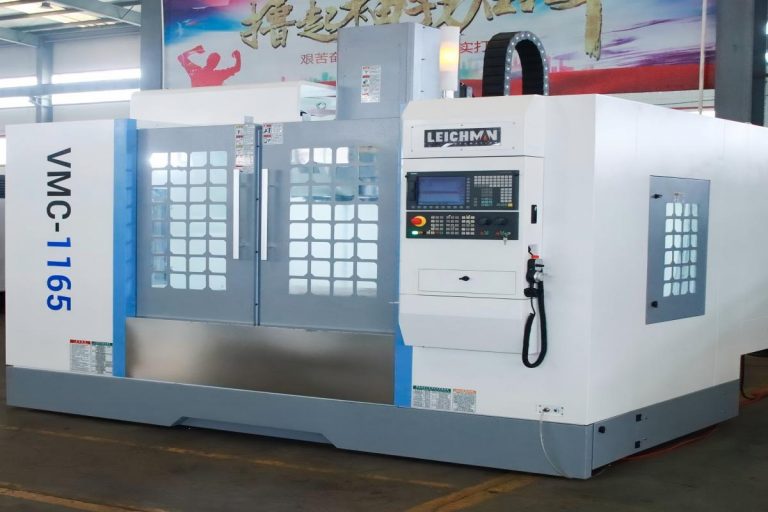
We should look ahead with clear principles. I prefer a blended model: strengthen local teams while adopting selective external expertise. For instance, pairing on-site techs with occasional audits from custom cnc machining services improves skill transfer. In practice, this means planned tune-ups for spindle speed and bearing checks, regular servo motor profiling, and simple edge computing nodes or condition sensors that flag slow trends before they break. Small sensors, big payoffs.
What’s Next?
Here’s a short case-style outlook. A mid-sized shop I advised added basic predictive checks and trained two in-house techs to handle common tasks. They still called in specialty service for complex alignment issues, but day-to-day failures dropped sharply. The key moves were consistent fixturing practices, tighter tolerance checklists, and better logging in CAM software. The change felt gradual, then overnight — funny how that works, right?
To close I’ll give three compact metrics I now use when evaluating service options: 1) Mean Time Between Failures (MTBF) improvement potential — can the service show numbers? 2) Transferability — do they train your staff and leave documentation? 3) Diagnostic depth — do they test encoders, power converters, and tool offsets, or only swap parts? Use these and you’ll pick partners that reliably lift uptime, not just patch it. For more hands-on support, consider a partner who understands both floor realities and engineering detail, like Leichman.