
How ACP commercial building panels used?
March 17, 2026
Aluminum Composite Panels (ACP) have become a go-to solution for modern commercial buildings, thanks to their combination of durability, aesthetics, and cost-effectiveness.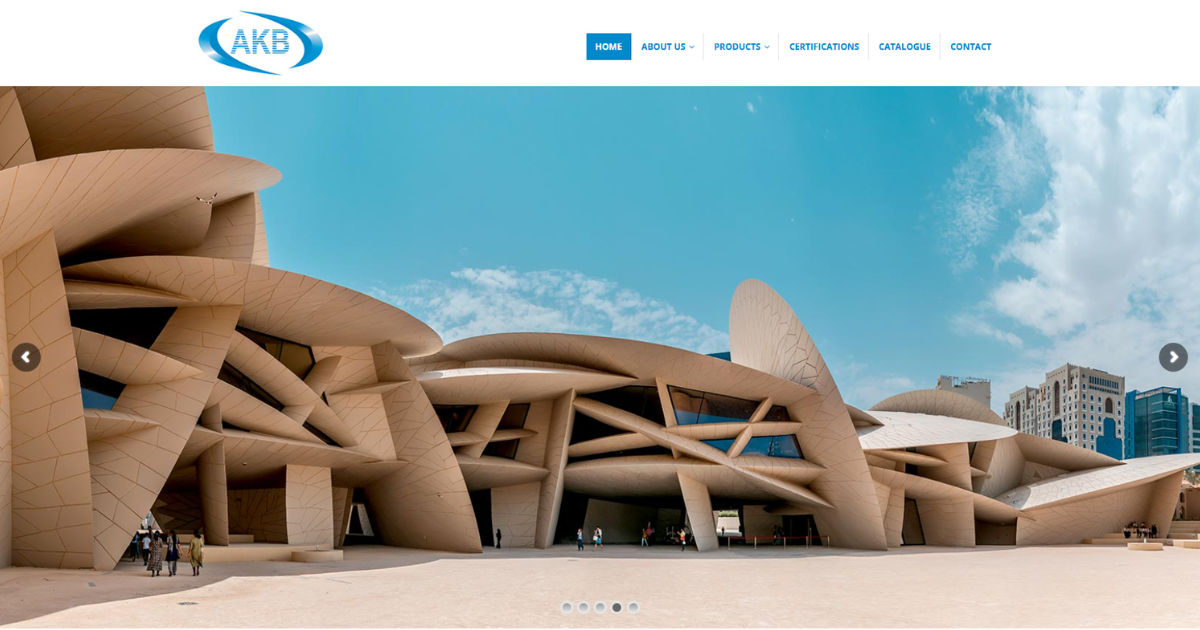
Companies like Akbari Engineering have played a major role in promoting the use of ACP panels in commercial construction, making it easier for architects and builders to create stunning, functional facades.
In this guide, we will explore everything about ACP panels—their composition, uses, installation techniques, benefits, maintenance, and more. By the end, you’ll have a clear understanding of why ACP panels are the preferred choice for commercial projects.
What Are ACP Panels?
Aluminum Composite Panels, commonly known as ACP panels, are flat panels consisting of two thin layers of aluminum enclosing a non-aluminum core, usually made of polyethylene or a fire-resistant material. This unique structure gives ACP panels their signature combination of lightweight properties and strength.
The outer aluminum layers can be coated with various finishes, including PVDF, polyester, or fluorocarbon coatings, which enhance resistance to UV rays, corrosion, and environmental wear. This versatility makes them ideal for commercial buildings, where aesthetics and longevity are equally important.
Akbari Engineering specializes in supplying high-quality ACP panels that meet international standards, ensuring safety, durability, and visual appeal for commercial structures.
Why ACP Panels Are Popular in Commercial Buildings
1. Aesthetic Appeal
One of the biggest advantages of ACP panels is their sleek, modern appearance. They are available in a wide range of colors, textures, and finishes, allowing architects to experiment with bold designs. Whether it’s a corporate office, shopping mall, or hotel, ACP panels help create a visually striking exterior that attracts attention.
2. Durability
Commercial buildings face constant exposure to weather elements, pollution, and daily wear. ACP panels are highly resistant to corrosion, moisture, and impact, making them a long-lasting solution. Their aluminum surface maintains its integrity for years without fading or warping.
3. Lightweight Yet Strong
ACP panels are much lighter than conventional cladding materials like stone or concrete, reducing the structural load on buildings. Despite being lightweight, they provide excellent strength and rigidity, which is critical for high-rise commercial buildings.
4. Easy Installation
Time is money in commercial construction. ACP panels are designed for easy installation using mechanical fasteners or adhesive systems. This significantly reduces labor costs and project timelines compared to traditional materials.
5. Fire Resistance
Modern commercial codes require fire-safe building materials. Fire-resistant ACP panels are available with a mineral-filled core, making them compliant with safety standards. Akbari Engineering provides certified fire-resistant ACP panels for projects that require additional safety.
Applications of ACP Panels in Commercial Buildings
ACP panels are versatile and can be applied to various parts of commercial structures. Here’s a closer look at their most common uses:
Exterior Facades
The exterior facade is where ACP panels shine the most. They provide a smooth, seamless finish and can mimic materials like stone, wood, or glass. This allows businesses to maintain a luxurious look without the high cost of natural materials.
Interior Walls and Ceilings
ACP panels are not limited to exteriors. They can be used indoors for walls, ceilings, partitions, and false ceilings, offering both functional and decorative advantages. Their smooth finish is easy to clean, making them ideal for lobbies, showrooms, and offices.
Signage and Branding
Commercial buildings often require corporate branding and signage. ACP panels are perfect for this purpose because they can be cut, printed, and painted in custom designs. This ensures that brand logos and colors are consistent and professional-looking.
Canopies and Cladding
ACP panels are also used for canopies, overhangs, and other architectural features. Their lightweight nature allows them to cover large areas without additional structural support, enhancing the building’s aesthetics while providing shade and protection from the elements.
Installation Process of ACP Panels
Installing ACP panels requires skill, precision, and the right materials. Here’s a step-by-step overview of how commercial ACP installations are carried out:
1. Planning and Design
Before installation, a detailed design plan is created. Architects and builders, often in consultation with Akbari Engineering, decide on panel sizes, colors, patterns, and mounting systems.
2. Surface Preparation
The building surface must be clean, level, and structurally sound. Any irregularities are corrected to ensure proper adhesion and alignment.
3. Frame Installation
ACP panels are typically mounted on a metal framework made of aluminum or galvanized steel. This frame provides stability and allows for thermal expansion and contraction.
4. Panel Fixing
Panels are fixed using screws, rivets, or adhesive systems. Precision is essential to maintain a seamless look. Care is taken to leave small gaps for expansion, preventing buckling or warping.
5. Finishing Touches
Sealing and edge finishing ensure weatherproofing and a polished appearance. Silicone sealants and joint covers are applied where necessary to protect against moisture and air infiltration.
Advantages of ACP Panels Over Traditional Materials
| Feature | ACP Panels | Traditional Materials |
|---|---|---|
| Weight | Lightweight | Heavy |
| Installation | Quick and easy | Labor-intensive |
| Maintenance | Low | High |
| Design Flexibility | High | Limited |
| Weather Resistance | Excellent | Moderate |
| Cost | Economical | Expensive |
ACP panels offer a unique combination of affordability, aesthetic versatility, and durability, making them the preferred choice for modern commercial architecture.
Common Myths About ACP Panels
Despite their popularity, some misconceptions still surround ACP panels:
Myth 1: ACP Panels Are Weak
In reality, ACP panels are engineered to provide strength despite being lightweight. They are designed to withstand wind loads, impacts, and environmental stress.
Myth 2: They Are Difficult to Maintain
ACP panels require minimal maintenance. A simple wash with water and mild detergent is sufficient to keep them looking new.
Myth 3: Only Suitable for Exteriors
While their exterior applications are most famous, ACP panels are equally useful for interiors, partitions, ceilings, and decorative elements.
Choosing the Right ACP Panel for Your Commercial Building
Selecting the correct ACP panel is crucial for performance and aesthetics. Consider the following factors:
-
Core Type: Standard polyethylene for general use or fire-retardant for high-risk areas.
-
Finish: Matte, gloss, metallic, or textured finishes based on design requirements.
-
Thickness: Typically 3mm to 6mm for commercial applications, depending on structural needs.
-
Panel Size: Pre-fabricated or custom dimensions depending on facade design.
-
Supplier Quality: Working with trusted suppliers like Akbari Engineering ensures high-quality material and technical support.
Maintenance Tips for ACP Panels
Proper care prolongs the life and appearance of ACP panels:
-
Regular Cleaning: Use mild detergent and water to remove dust and pollutants.
-
Inspection: Periodically check for dents, scratches, or loose panels.
-
Repairs: Address any damage immediately to prevent water ingress or corrosion.
-
Avoid Harsh Chemicals: Acidic or abrasive cleaners can damage the coating.
Regular maintenance ensures that the commercial building continues to look modern and professional for years.
Sustainability and Environmental Benefits
ACP panels are increasingly recognized for their eco-friendly properties:
-
Recyclable Material: Aluminum layers can be recycled, reducing environmental impact.
-
Energy Efficiency: Panels can provide insulation, reducing heating and cooling costs.
-
Lightweight: Lower transportation and installation energy compared to heavier materials.
Choosing ACP panels contributes to sustainable building practices and reduces the carbon footprint of commercial construction projects.
Real-World Examples
Many commercial buildings worldwide now showcase ACP panels:
-
Corporate offices with sleek metallic facades.
-
Shopping malls featuring bold, colorful exterior designs.
-
Hotels and restaurants with stylish, reflective finishes.
Suppliers like Akbari Engineering often collaborate with architects to deliver custom solutions that meet both functional and aesthetic goals.
Conclusion
Aluminum Composite Panels have transformed the way commercial buildings are designed and constructed. They offer an ideal combination of beauty, strength, cost-efficiency, and sustainability. From exterior facades to interior walls, ACP panels provide unmatched versatility, allowing architects and builders to achieve their vision while ensuring durability and safety. Companies like Akbari Engineering have been instrumental in providing high-quality ACP panels that meet global standards, making commercial construction faster, safer, and more visually appealing.
For any commercial project aiming for modern aesthetics, efficiency, and long-term performance, ACP panels are no longer just an option—they are a necessity. Their ability to enhance visual appeal, reduce structural load, and withstand environmental challenges makes them the preferred choice in the commercial construction industry.