
Why Accurate Pic to Text OCR?
February 28, 2026
In today’s digital world, the ability to convert images into editable words is no longer a luxury. It is a necessity. Pic to Text technology has transformed the way we handle information, making it easier to turn photos of documents, notes, and printed pages into usable digital content. From students to professionals, everyone benefits from reliable Pic to Text tools that save time and reduce manual effort.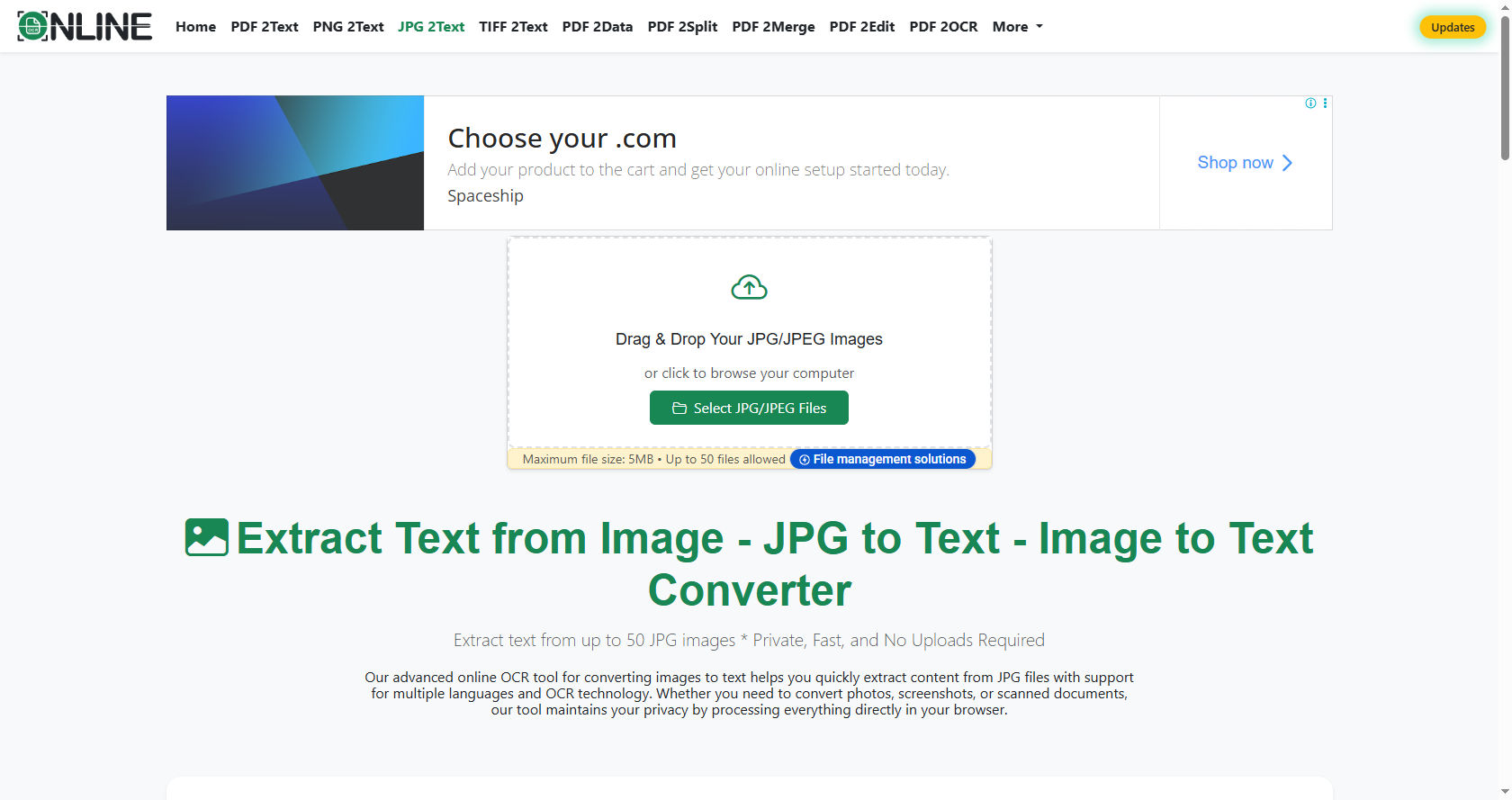
When accuracy is high, Pic to Text systems allow users to work smarter, not harder. Instead of retyping pages of text, you can simply scan or upload an image and instantly receive editable content.
Accurate Pic to Text solutions also reduce errors, protect important data, and improve productivity across industries.
As more businesses and schools move toward paperless systems, the demand for dependable Pic to Text software continues to grow. But why does accuracy matter so much? And how can you choose the right tool? This comprehensive guide will answer these questions in detail.
Understanding OCR and Its Role in Pic to Text
Optical Character Recognition, commonly known as OCR, is the technology behind Pic to Text conversion. It analyzes images that contain printed or handwritten text and translates them into machine-readable characters.
At its core, Pic to Text works by identifying shapes that resemble letters and numbers. The system compares these shapes to known character patterns and then converts them into digital text.
While the concept sounds simple, achieving high accuracy requires advanced algorithms and artificial intelligence. Without precision, the final output may contain spelling mistakes, missing words, or formatting problems.
The Importance of Accuracy in Pic to Text
Accuracy is the most critical factor in any Pic to Text solution. Even small mistakes can cause serious problems, especially in professional settings.
Reducing Human Error
When Pic to Text software misreads characters, it can change the meaning of a sentence. For example, confusing the number “1” with the letter “I” might seem minor, but in financial or legal documents, such mistakes can lead to confusion.
Accurate Pic to Text technology minimizes these risks by carefully analyzing every character and improving recognition rates.
Improving Accessibility
Many people rely on Pic to Text tools to make printed materials accessible. For individuals with visual impairments, converting printed text into digital format allows screen readers to read the content aloud.
When Pic to Text systems are accurate, users can trust that the digital version truly reflects the original document.
Boosting Business Productivity
Businesses process thousands of documents daily. Using reliable Pic to Text software speeds up data entry and document management.
With accurate Pic to Text, employees spend less time correcting errors and more time focusing on meaningful tasks.
Supporting Education
Students often take pictures of whiteboards, textbooks, or handwritten notes. Converting these images using Pic to Text makes studying easier and more organized.
High-quality Pic to Text tools ensure that students receive clear and correct text for review.
Avoiding Costly Mistakes
Inaccurate Pic to Text results can lead to incorrect records, lost information, and wasted time. Correcting these errors may require manual proofreading, which defeats the purpose of automation.
Reliable Pic to Text systems protect users from unnecessary costs and frustration.
How Pic to Text Technology Works
To understand why accuracy is important, it helps to know how Pic to Text systems operate behind the scenes.
Image Capture
The process begins with capturing an image. This could be a scanned document, a photo from a smartphone, or a screenshot. The quality of the image greatly affects Pic to Text accuracy.
Blurry images, poor lighting, or tilted pages can make it difficult for the system to recognize characters correctly.
Preprocessing
Before recognizing text, the Pic to Text software cleans up the image. It may adjust brightness, remove noise, straighten lines, and enhance contrast.
These steps help improve the accuracy of the Pic to Text conversion process.
Character Recognition
Next, the system identifies individual characters. Advanced Pic to Text tools use artificial intelligence and machine learning to recognize fonts, handwriting styles, and even different languages.
The smarter the algorithm, the more accurate the results.
Post-Processing
After recognizing characters, the Pic to Text system checks for errors. It may compare words to a dictionary or apply grammar rules to improve the final output.
This final step ensures that the digital text closely matches the original image.
Key Features of High-Quality Pic to Text Software
Not all tools are created equal. When choosing a Pic to Text solution, look for features that improve accuracy and performance.
High Recognition Accuracy
The most important feature of any Pic to Text tool is its ability to correctly identify characters. Look for software that offers strong performance with both printed and handwritten text.
Multiple Language Support
Global communication requires multilingual capability. A powerful Pic to Text system should recognize different languages and special characters.
Fast Processing Speed
Speed matters when handling large volumes of documents. Efficient Pic to Text tools process images quickly without sacrificing quality.
Batch Conversion
Businesses often need to convert many files at once. Batch processing allows Pic to Text software to handle multiple images in a single session.
Secure Data Handling
Privacy is essential, especially when dealing with sensitive documents. A trustworthy Pic to Text solution should protect user data and follow security standards.
Editable Output Formats
Good Pic to Text software provides output in formats like Word, PDF, or plain text, making it easy to edit and share content.
Industries That Rely on Pic to Text
Many industries depend on accurate Pic to Text technology to operate efficiently.
Healthcare
Hospitals and clinics manage large amounts of paperwork. Converting medical records with Pic to Text reduces manual data entry and improves organization.
Legal Services
Law firms handle contracts, case files, and official documents. Accurate Pic to Text conversion ensures that legal texts remain precise and reliable.
Finance
Banks and accounting firms use Pic to Text tools to process invoices, receipts, and financial reports quickly.
Retail and E-Commerce
Retail businesses often scan product details and shipping documents. Reliable Pic to Text systems streamline these processes.
Benefits of Pic to Text for Students
Students in high school and college can gain significant advantages from using Pic to Text tools.
Easier Note Taking
Instead of rewriting long notes, students can photograph classroom materials and convert them using Pic to Text.
Better Organization
Digital text from Pic to Text software can be stored, searched, and edited easily.
Time Efficiency
Using Pic to Text saves hours that would otherwise be spent typing information manually.
The Role of Artificial Intelligence in Pic to Text
Modern Pic to Text tools rely heavily on artificial intelligence. Machine learning models are trained on large datasets to recognize different fonts and handwriting styles.
AI-driven Pic to Text systems improve over time. As they process more data, they learn to correct mistakes and handle complex layouts.
This continuous improvement is one reason why today’s Pic to Text software is far more accurate than older OCR systems.
Common Challenges in Pic to Text Conversion
Despite its benefits, Pic to Text technology faces certain challenges.
Low-quality images can reduce recognition accuracy. Complex fonts or decorative text may confuse the system. Handwriting can also be difficult for Pic to Text tools to interpret.
However, advancements in AI continue to address these issues, making modern systems more reliable than ever.
The Future of Pic to Text Technology
The future of Pic to Text looks promising. As artificial intelligence evolves, recognition rates will become even more accurate.
We can expect future Pic to Text systems to better understand context, recognize handwriting more effectively, and integrate seamlessly with other digital tools.
In a world that values speed and efficiency, Pic to Text technology will remain an essential part of digital transformation.
How to Choose the Right Pic to Text Tool
Selecting the best Pic to Text software requires careful consideration.
First, test the accuracy. Upload sample documents and check the results. A reliable Pic to Text solution should produce minimal errors.
Second, review language support. Make sure the Pic to Text tool can handle the languages you need.
Third, evaluate security measures. If you are uploading sensitive documents, your Pic to Text provider must protect your data.
Finally, compare pricing and features. Some Pic to Text tools offer free versions, while others provide advanced capabilities for professionals.
Comprehensive Guide to Getting the Best Results from Pic to Text
Using Pic to Text effectively requires more than simply uploading an image. Follow these steps to maximize accuracy.
Step 1: Use High-Quality Images
Clear images improve Pic to Text recognition rates. Ensure good lighting and avoid shadows.
Step 2: Align the Document Properly
Keep the page straight when taking a photo. Proper alignment helps Pic to Text software detect lines of text accurately.
Step 3: Avoid Complex Backgrounds
Simple backgrounds make it easier for Pic to Text systems to focus on the text itself.
Step 4: Proofread the Output
Even the best tools may make small mistakes. Always review the text generated by Pic to Text software.
Step 5: Update Your Software
Technology evolves quickly. Using the latest version of your Pic to Text tool ensures improved features and higher accuracy.
Conclusion
Accurate OCR technology is more than just a convenience. It is a powerful solution that transforms how we manage information. From students capturing classroom notes to businesses digitizing records, the importance of reliable conversion cannot be overstated.
High-quality tools reduce human error, increase efficiency, and support accessibility. They save time, lower costs, and help organizations move toward a paperless future.
As artificial intelligence continues to advance, OCR systems will become even more intelligent and dependable. Choosing the right tool, using clear images, and reviewing results carefully will help you achieve the best possible outcome.
In a fast-paced digital world, accurate image-to-text conversion is essential. By understanding how it works and why precision matters, you can make informed decisions and unlock the full potential of modern OCR technology.