
Emerging Technologies Revolutionizing the Production of Next-Generation Plastic Additives
April 10, 2025
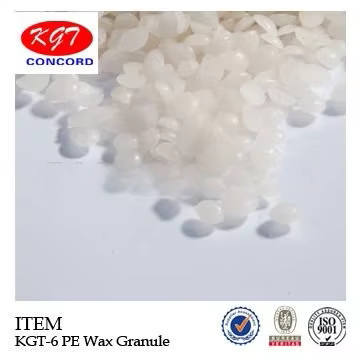
The world of plastics is undergoing a significant transformation, driven by a growing demand for more sustainable, efficient, and high-performance materials. One of the most exciting developments in this space is the emergence of next-generation plastic additives. These additives, which include stabilizers, plasticizers, antioxidants, and flame retardants, play a crucial role in enhancing the functionality and durability of plastics. Innovations in technology are dramatically reshaping the way these additives are produced, offering new opportunities for the industry to create smarter, more eco-friendly plastic products.
1. Advanced Synthesis Techniques
Traditional methods of producing plastic additives often rely on chemical reactions that can be inefficient and environmentally harmful. However, emerging synthesis techniques, such as green chemistry and biotechnology, are changing the landscape. Green chemistry focuses on reducing the use of hazardous substances, energy, and waste during production. By using renewable resources and sustainable processes, such as enzymatic catalysis and bioreactors, manufacturers can create additives that are not only safer for the environment but also cost-effective.
Biotechnology is also having a profound impact. The use of microorganisms and enzymes to synthesize specialized additives is gaining traction. This biotechnology-based approach can be used to produce complex, high-value additives with a lower environmental footprint. By harnessing the power of nature, manufacturers are able to create additives that are biodegradable, less toxic, and more compatible with existing recycling technologies.
2. Nanotechnology in Additive Manufacturing
Nanotechnology has been a game-changer across various industries, and the plastic sector is no exception. The ability to manipulate materials at the nanoscale enables the development of additives that provide enhanced properties, such as improved strength, flexibility, and heat resistance. For instance, nanocomposites — which incorporate nanomaterials like carbon nanotubes or graphene — can be used to reinforce plastics, making them stronger while remaining lightweight.
Furthermore, nanotechnology enables the development of smart additives that respond to environmental changes, such as temperature or humidity. These additives can be designed to release certain properties (like flame retardants or antimicrobial agents) only under specific conditions, providing tailored performance and extending the lifecycle of plastic products. This level of precision in additive functionality is a significant leap forward in producing more effective and adaptive materials.
3. 3D Printing and Additive Manufacturing
Another transformative development is the integration of Products s in additive manufacturing (3D printing). As 3D printing becomes more widespread, it opens up new possibilities for customizing the properties of plastic products on demand. The ability to incorporate specific additives directly into 3D-printed materials allows for the creation of highly specialized components with enhanced mechanical, thermal, or chemical properties.
For example, self-healing plastics, which can repair themselves when damaged, are being created through 3D printing with the use of specialized additives. This technology not only improves the longevity of plastic products but also reduces the need for repairs or replacements, leading to more sustainable product lifecycles.
4. Recyclable and Bio-Based Additives
Sustainability is at the heart of the next generation of plastic additives. The push for more environmentally friendly plastics is driving the development of bio-based additives, derived from renewable plant materials. These additives offer a biodegradable alternative to traditional petroleum-based chemicals, reducing the environmental impact of plastic waste.
Simultaneously, research into recyclable additives is enabling plastics to be more easily recycled without losing their functional properties. These additives improve the efficiency of recycling processes, making it easier to reuse plastics without compromising their performance. This is a key step toward closing the loop in the plastic production cycle, reducing the need for virgin plastic materials.
Conclusion
Emerging technologies in the production of next-generation plastic additives are poised to revolutionize the industry, creating more sustainable, efficient, and high-performance materials. From green chemistry and biotechnology to nanotechnology, 3D printing, and bio-based solutions, these innovations are opening up new possibilities for the future of plastics. As the demand for environmentally responsible and high-functioning materials continues to rise, the development of these advanced additives will play a crucial role in shaping a more sustainable and innovative plastic industry.